
Plasma IQ
Targeted Skin Tightening
Targeted Skin Tightening
Plasma IQ
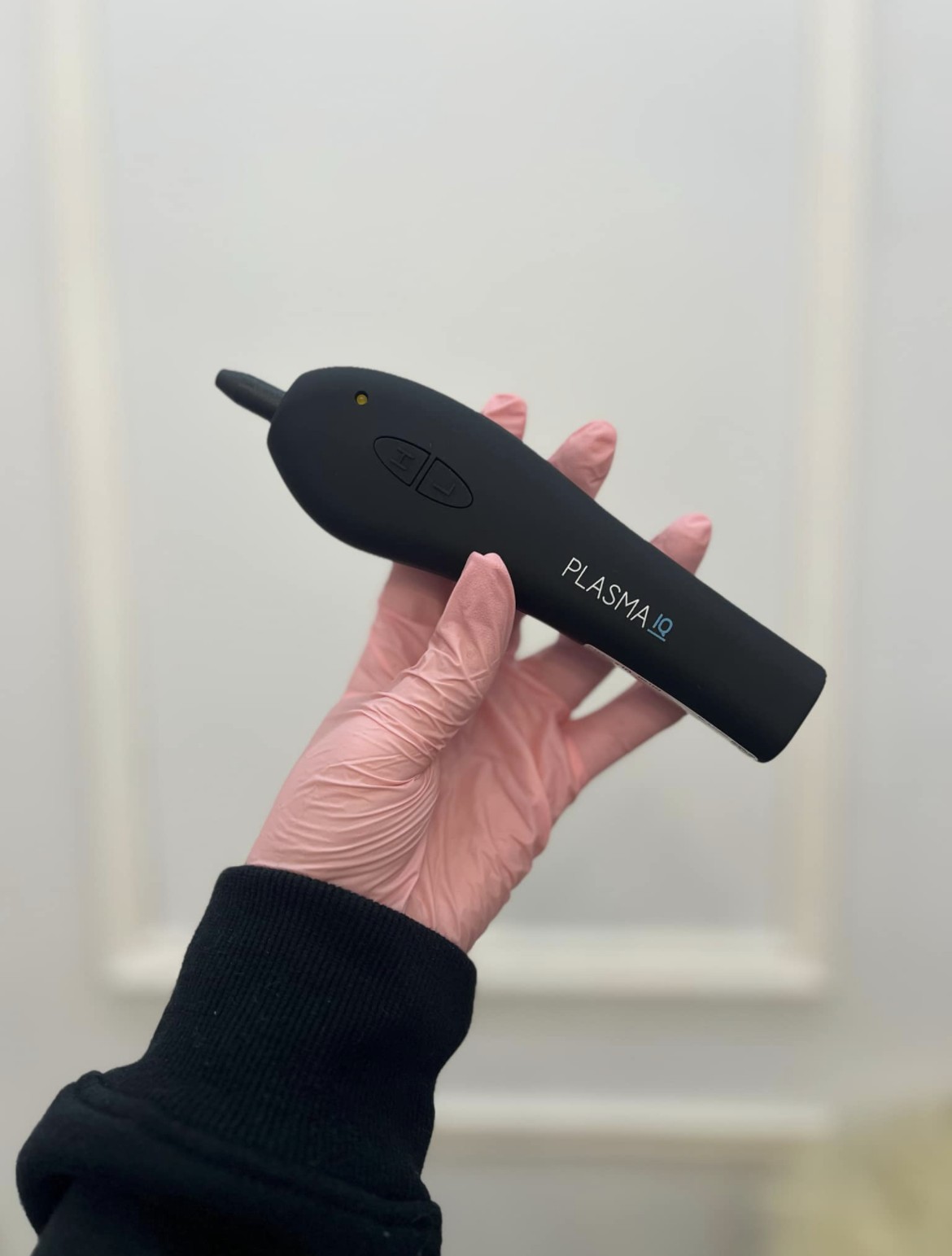
Plasma IQ is a non-surgical treatment that uses a small, controlled electrical arc to create pinpoint thermal injuries at the skin's surface. Sometimes called plasma fibroblast or soft-surgery treatment, it is intended to improve the appearance of selected areas of mild skin laxity and fine lines. The controlled injury triggers the skin's healing response and may support collagen remodelling over time. It is not a replacement for surgery, and visible healing time is expected.
At MUSE, we begin with a careful assessment of your skin and goals. This treatment is not suitable for everyone, and your skin tone, healing history and the area being considered are important parts of that discussion. Our priority is a thoughtful treatment plan with realistic expectations and clear guidance throughout your recovery.
Areas we commonly treat include the upper and lower eyelid areas, vertical lip lines, sleep lines, scars and acne scarring. Your nurse will confirm which areas are suitable for you.
What Type of Results Can be Expected?
- Improve the appearance of selected fine lines and wrinkles
- Improve the appearance of mild, localised skin laxity
- Support gradual changes in skin firmness as healing progresses
- Target small areas where treatment is clinically appropriate
- Results that vary with skin condition, treatment area and individual healing
Plasma IQ Q&A
When will I see results?
Early swelling and crusting can make it difficult to judge the result immediately. Changes develop as the skin heals, with improvement potentially continuing over the following weeks to months. We will review your progress once the area has had time to recover. Results are individual and cannot be guaranteed.
How many treatments does it take?
Most clients need only 1 to 2 sessions. Your nurse will recommend a plan based on the area, your goals and your response. Any further treatment must wait until the skin has healed and been reassessed.
Is there downtime?
Yes. Small brown crusts develop at the treatment points, with redness and swelling around the area. The crusts commonly shed over approximately five to seven days, although recovery varies and redness may last longer. Plan for visible healing rather than an immediate return to your usual skincare and makeup routine.
Is Plasma IQ suitable for everyone?
No. Skin prone to pigmentation changes or abnormal scarring requires particular caution, and darker skin tones may not be suitable. Pregnancy, implanted electronic devices, active skin infections and conditions or medicines affecting healing may also rule out treatment. Your nurse will review your history and the device's requirements before proceeding.
What to Expect
What to Expect During a Consultation
We begin all appointments with a consultation. During the consultation, we review the area(s) of concern and your medical history. It is important to fully disclose medications, previous procedures, cold sores, skin conditions and any history of pigmentation changes or raised scars, as these can affect your safety or results.
We will discuss the likely recovery, alternatives and risks, including burns, infection, scarring and changes in skin colour. Your nurse will confirm whether the proposed area is suitable and explain preparation and consent before a treatment is booked.
What to Expect During a Treatment
Please attend your appointment without makeup on the treatment area. The skin will be cleansed, and topical numbing may be used where appropriate. The practitioner applies controlled plasma energy in a precise pattern, creating small treatment points on the skin. You may feel heat, stinging or discomfort despite numbing. Treatment time depends on the area, and you will receive individual aftercare instructions before leaving the clinic.
What to Expect Post-Procedure
Redness, swelling, tenderness and small crusts are expected during the initial healing period. Do not pick, scratch or remove the crusts; allow them to fall away naturally. Follow the cleansing and product instructions provided by your nurse, and avoid makeup or active skincare on the treated area until cleared to resume them.
Avoid direct sun exposure, tanning, heat and strenuous exercise during early recovery as instructed. Your nurse will explain when to begin sunscreen on the healing area and how to protect it from the sun. Contact the clinic promptly for increasing pain, spreading redness, discharge or concerns about healing. Seek urgent medical care for eye pain or changes in vision. A follow-up assessment allows us to review your recovery and discuss the next steps.
